
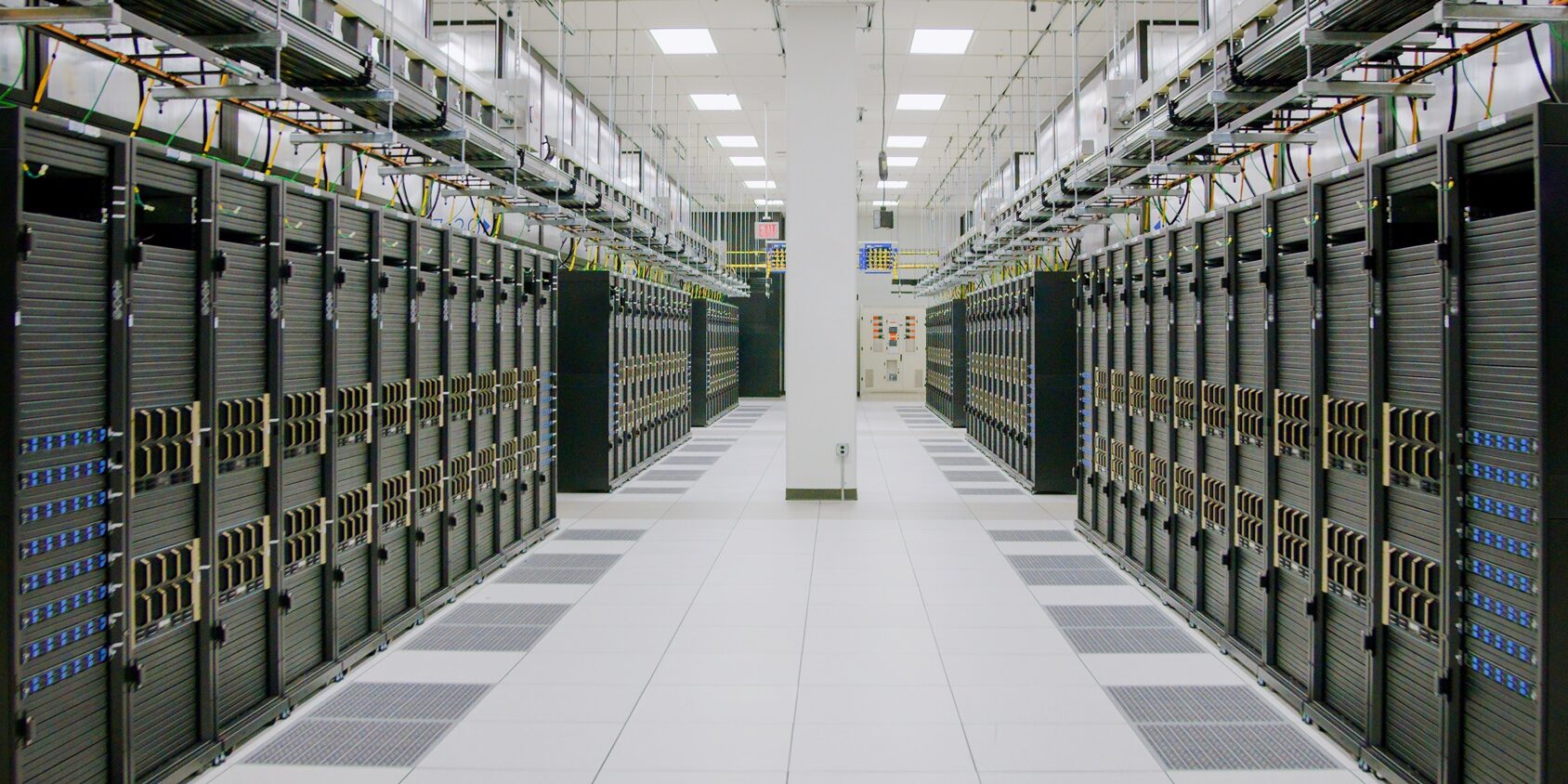
Meta (formerly Facebook) announced on Monday (24) that it is building the AI Research SuperCluster (RSC), an artificial intelligence (AI) supercomputer that promises to be the fastest machine in the world by 2022.
As well as helping with new AI-related research, another objective of the RSC will be to help develop the company’s metaverse. It will be trained to recognize multimodal signal models to determine whether an action, sound or image is harmful or benign, for example.
“This research will not only help keep people safe on our services today, but also in the future as we build for the metaverse. As the RSC moves into its next phase, we plan for it to get bigger and more powerful as we begin to lay the groundwork for the metaverse,” Meta said in a statement.
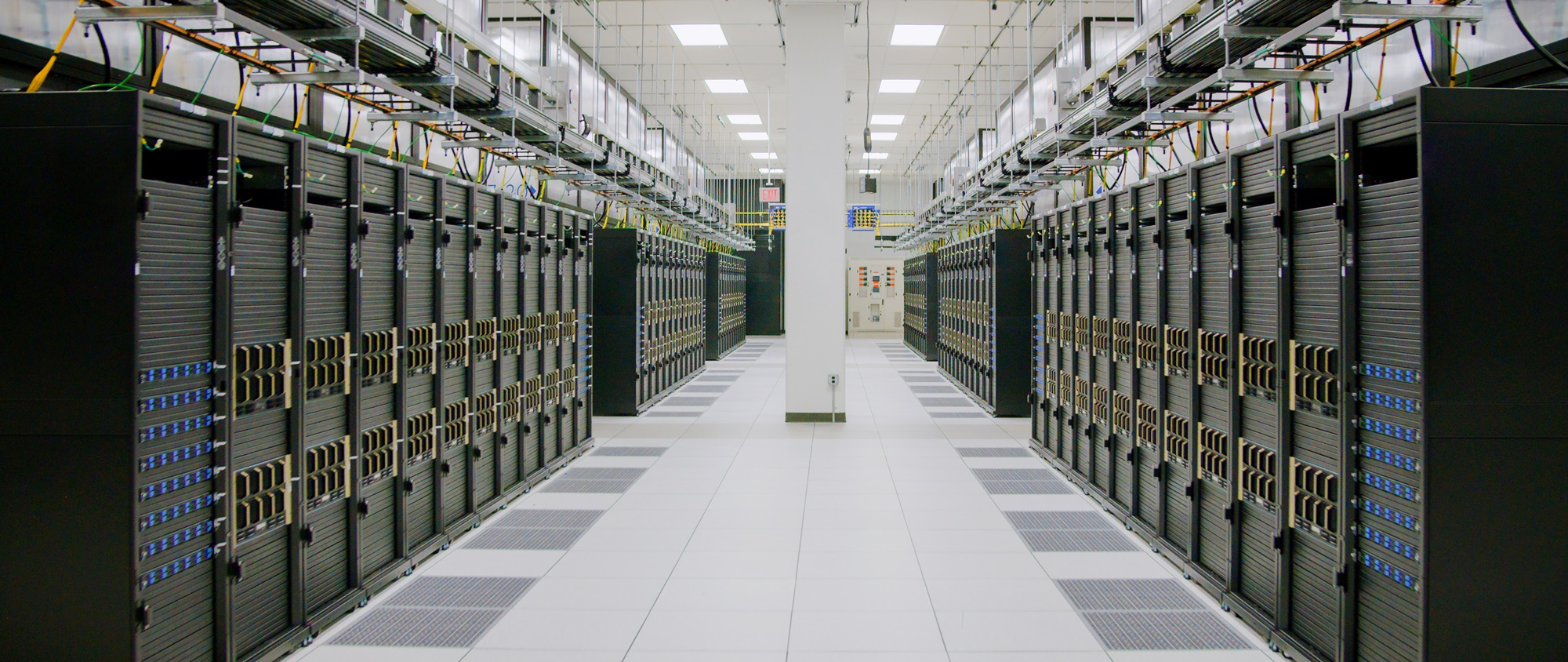
The powerful machine will be aided by examples of texts in several languages, images and videos together, so that it can create better AI models. And as well as being able to better identify what is being presented, the supercomputer will also be used to develop new augmented reality tools.
Today, AI tools can already perform tasks such as translating text between different languages. To make the processing capacity more complex, new generations of AI tools will have to be able to process quintillions of operations per second, which the RSC is being programmed to achieve.
Why a supercomputer?
Meta explained that it has made good progress in AI, one of which is self-supervised learning. This feature allows the technology to read a greater amount of information in order to have a better understanding of reality and consequently better results when analyzing photos, videos, etc.
And despite the advances, the ex-Facebook giant commented that its engineers and professionals realized that in order to make a leap in the field of AI, it was necessary to improve the tools.
“To fully realize the benefits of advanced AI, several domains, such as vision, speech, language, will require the training of increasingly large and complex models, especially for critical use cases such as identifying harmful content. In early 2020, we decided that the best way to accelerate progress was to design a new computing infrastructure – the RSC,” reads another excerpt from the statement.
When it is ready, sometime in 2022, the RSC will have the processing power and speed of more than 100,000 ordinary computers.
Via Tecmundo